


Seven PhD graduates honoured at the Annual Celebration
Research into areas such as working environment, schools, sled dog culture, health and homelessness took centre stage when Ilisimatusarfik celebrated its Annual Celebration
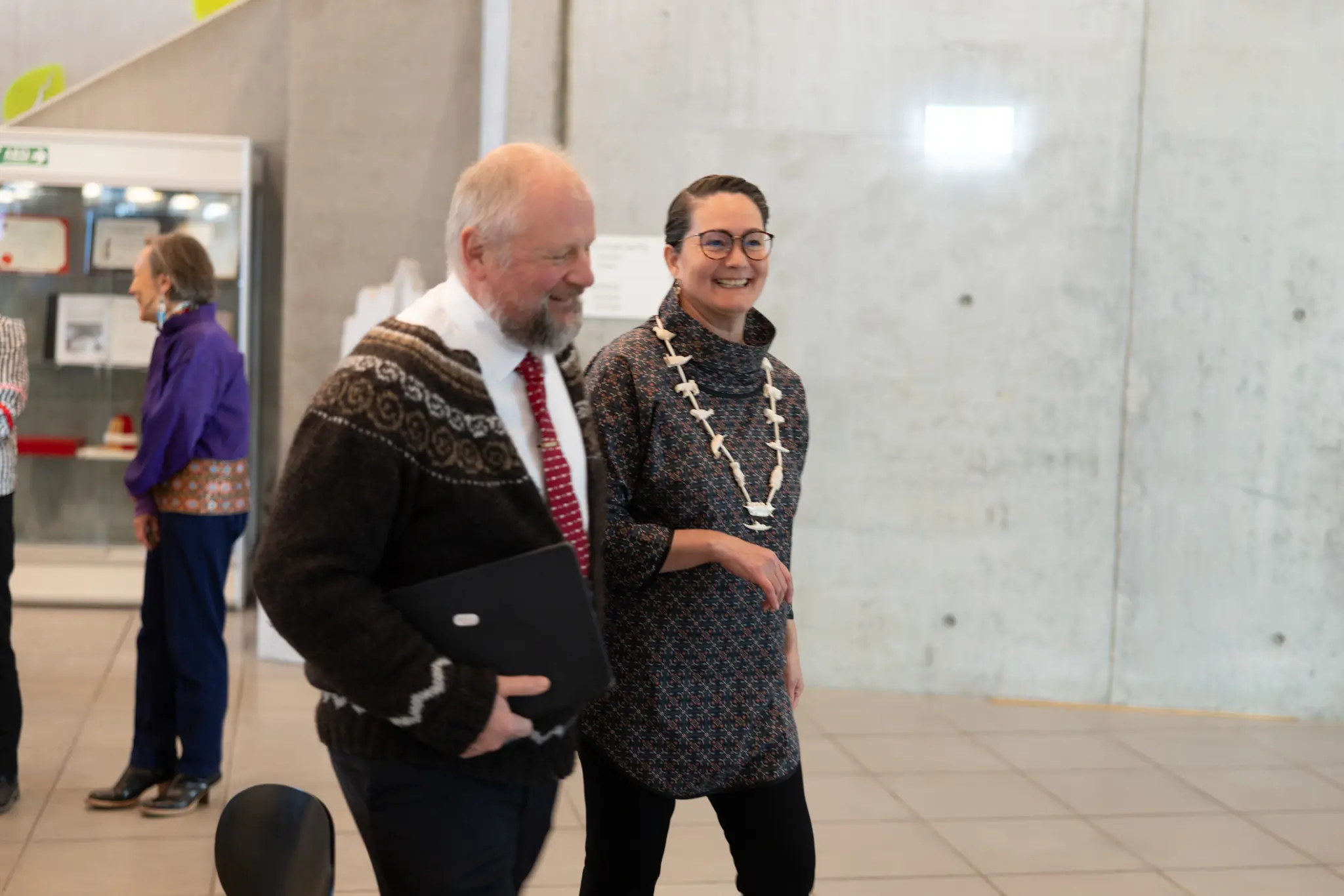
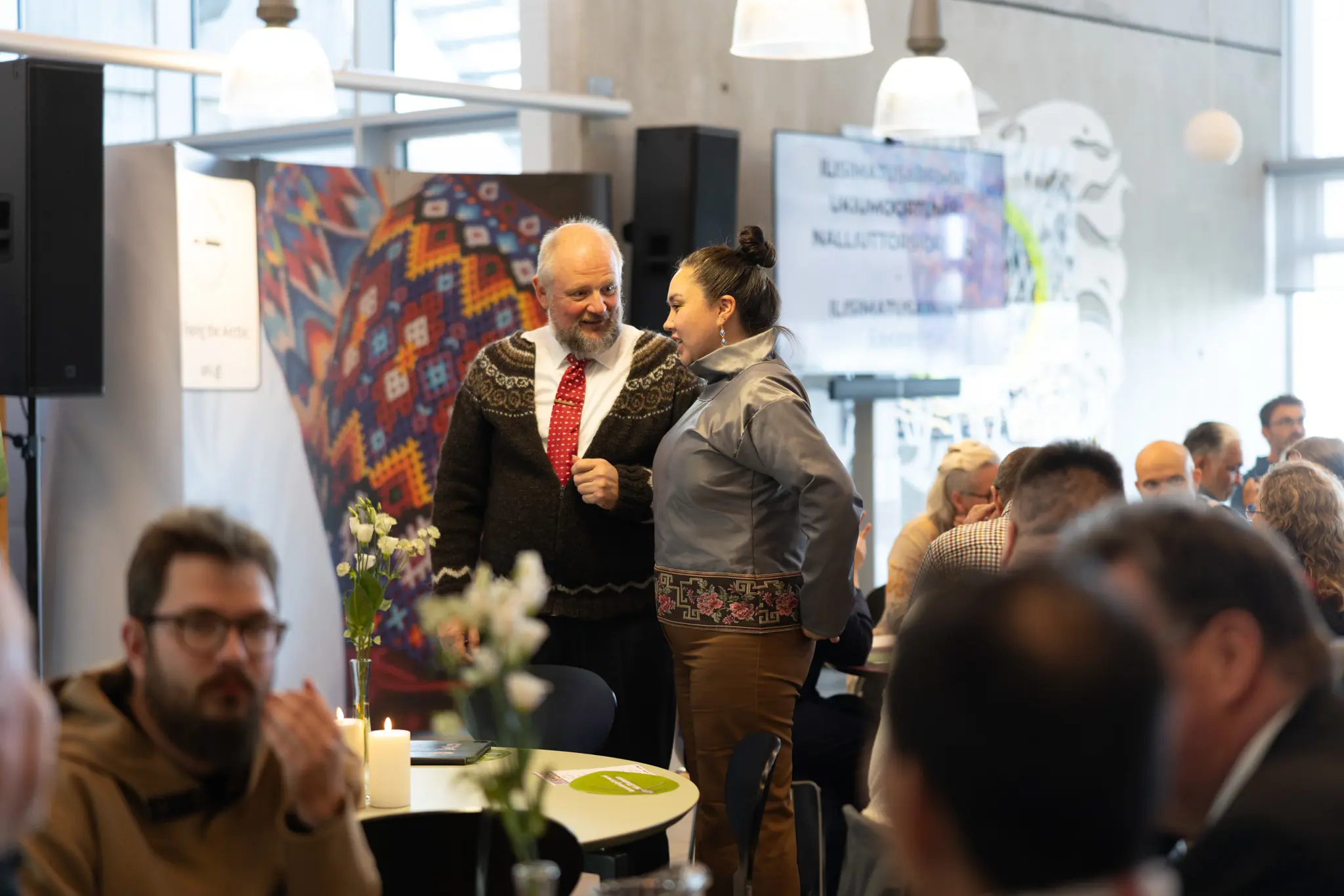
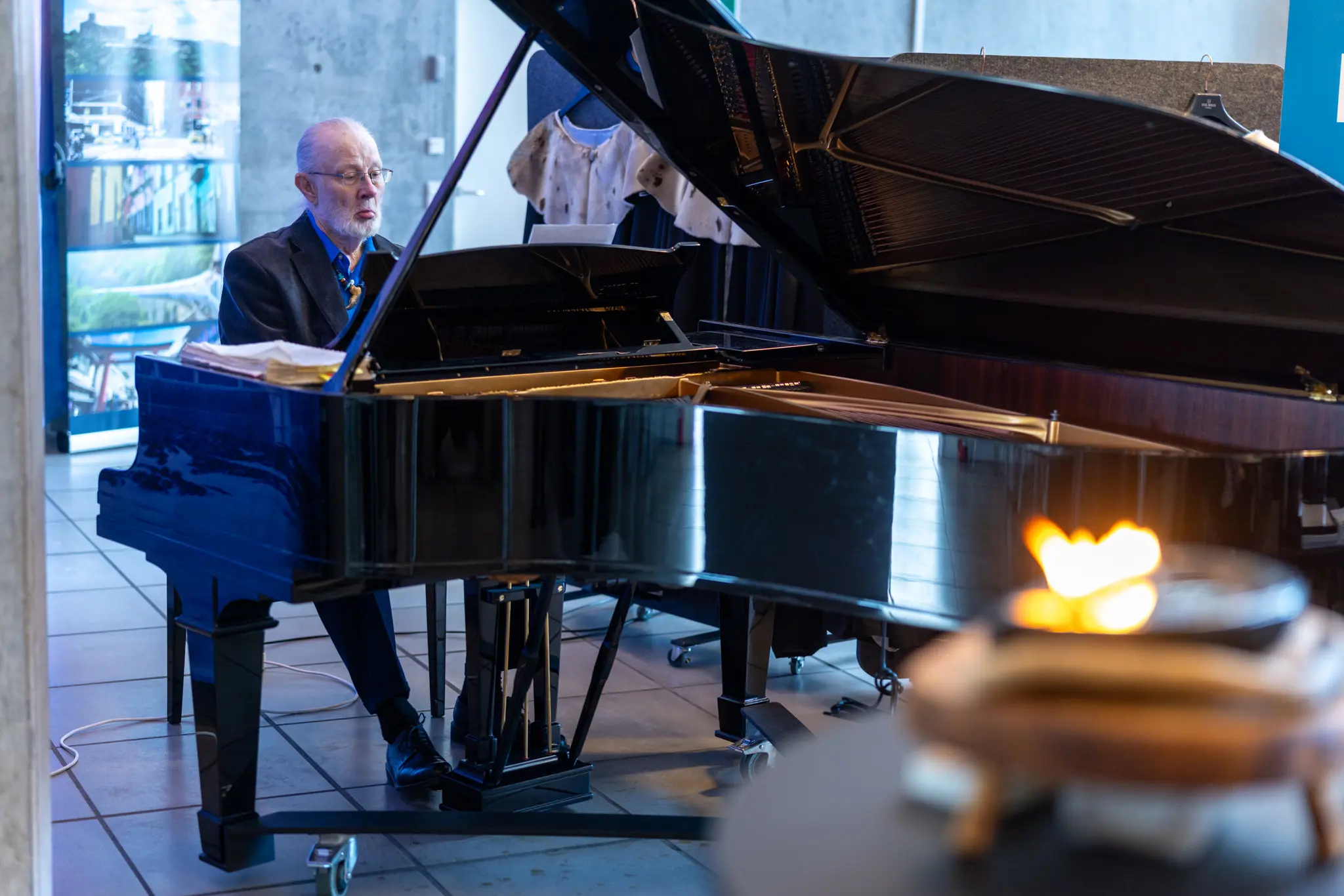
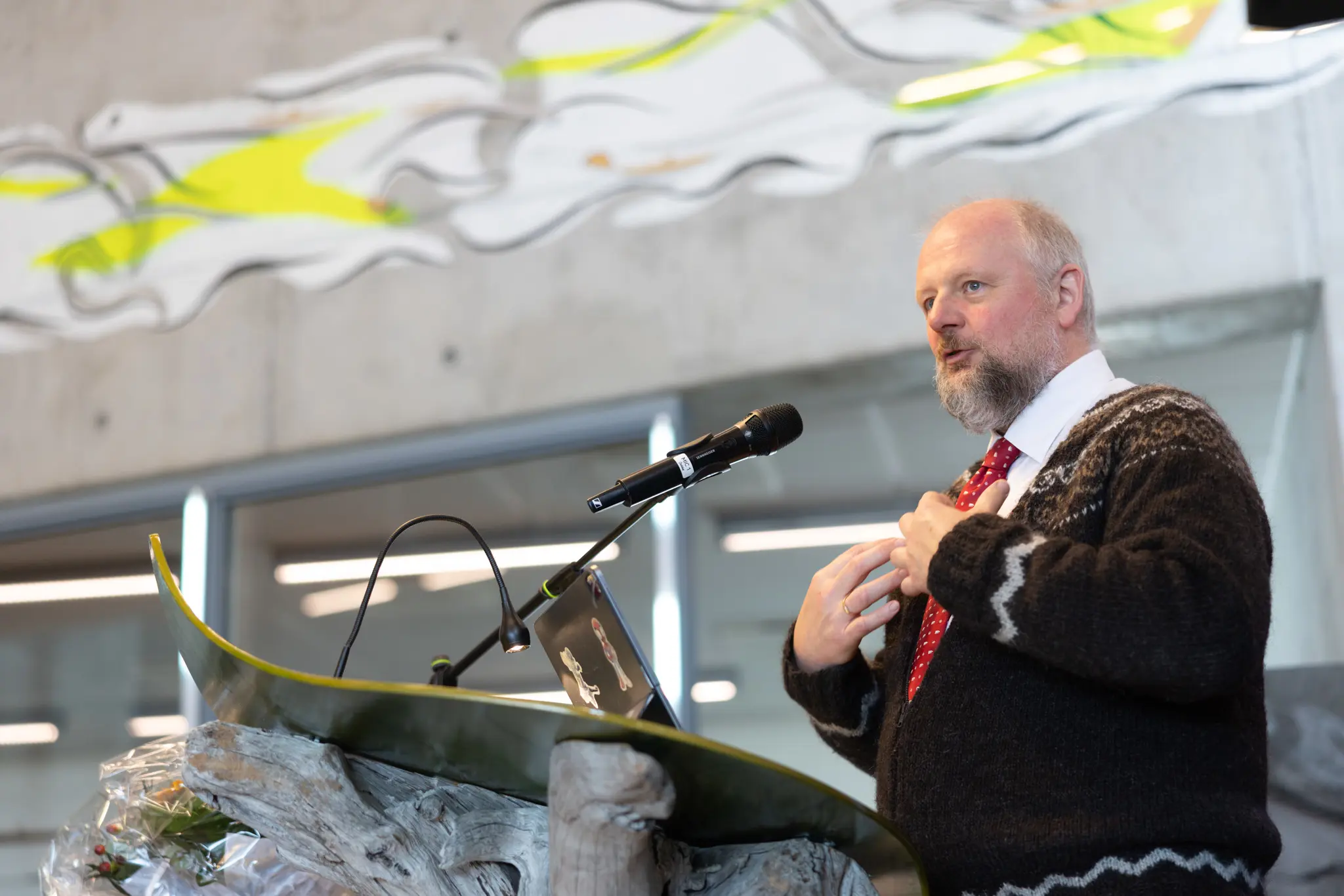
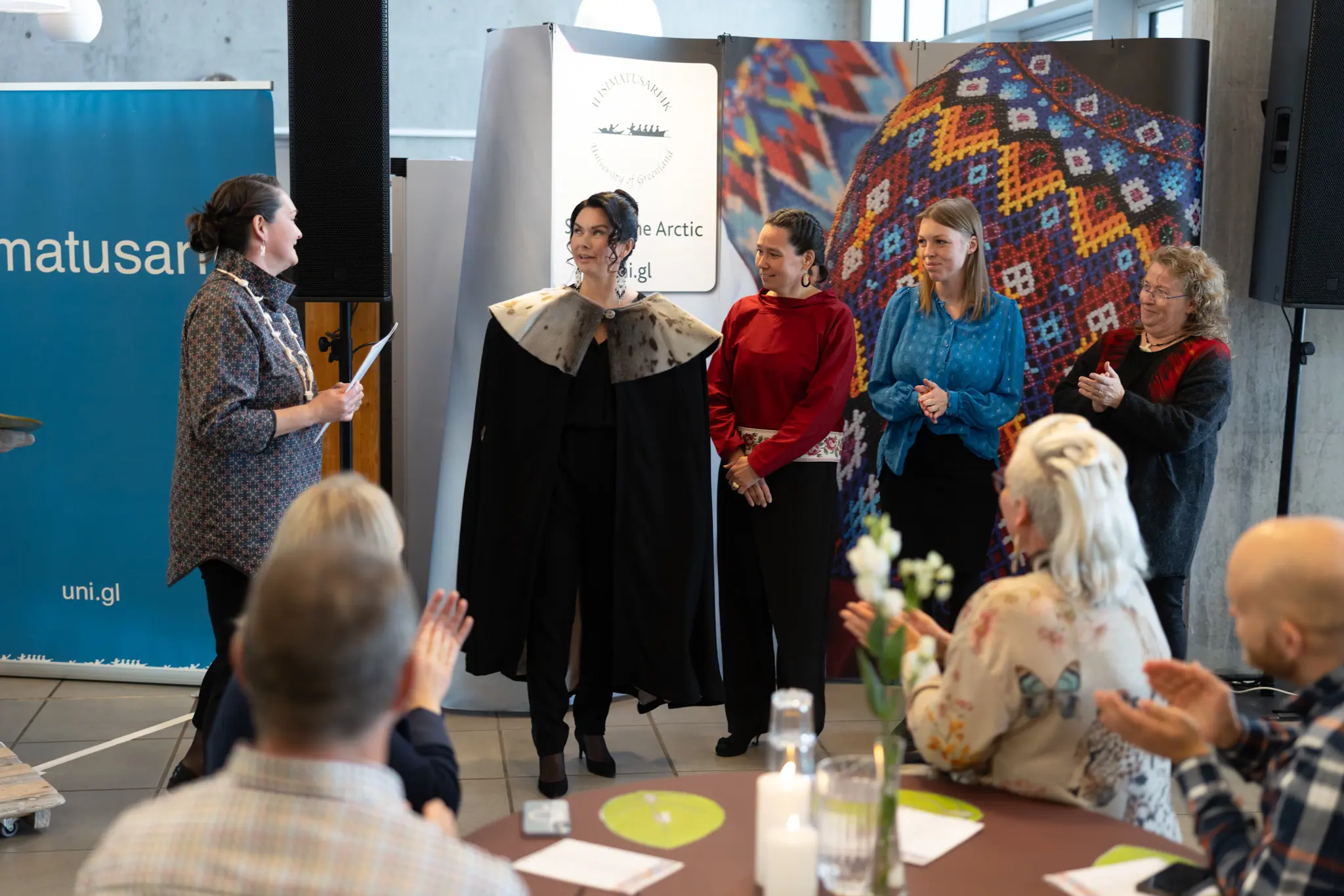
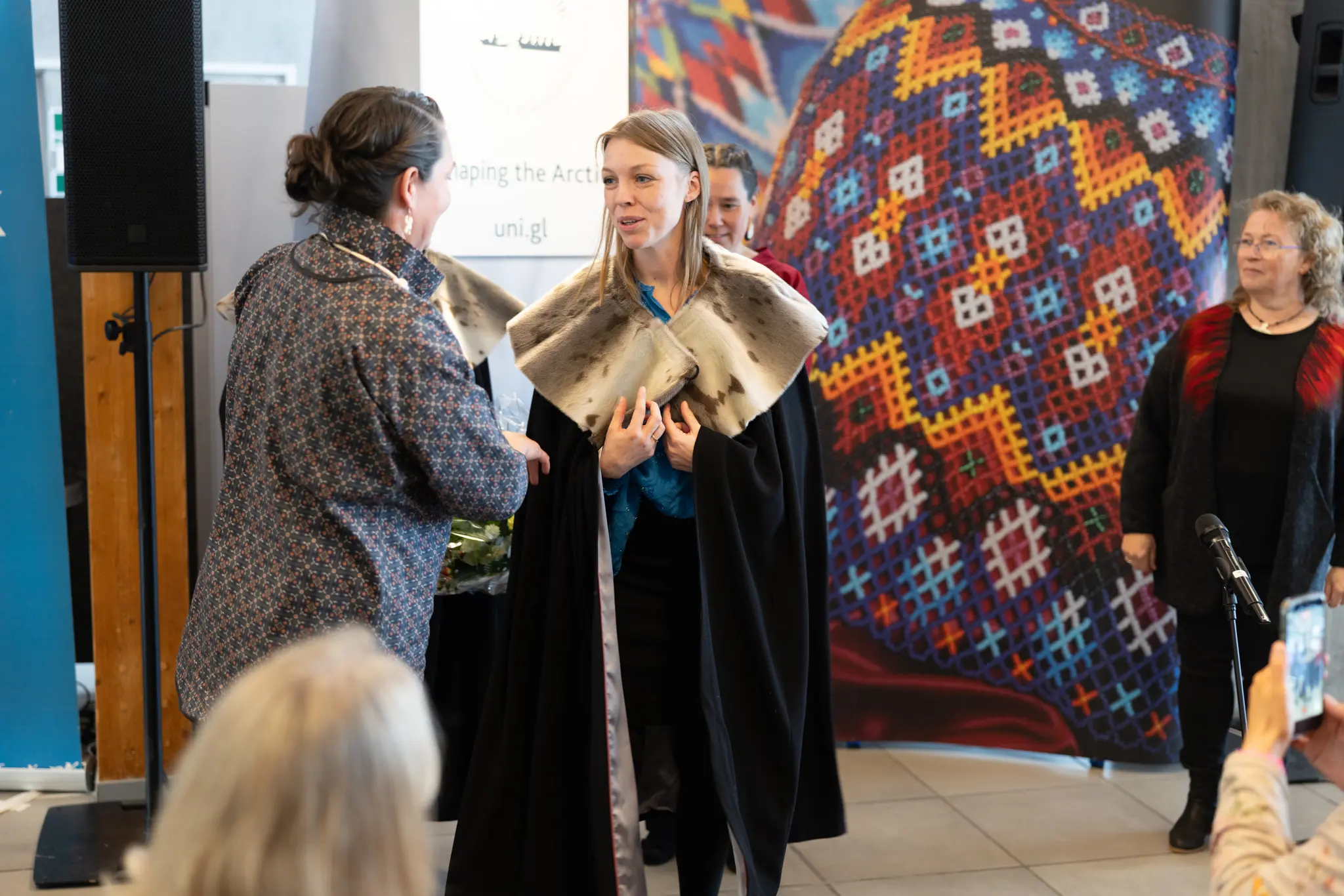
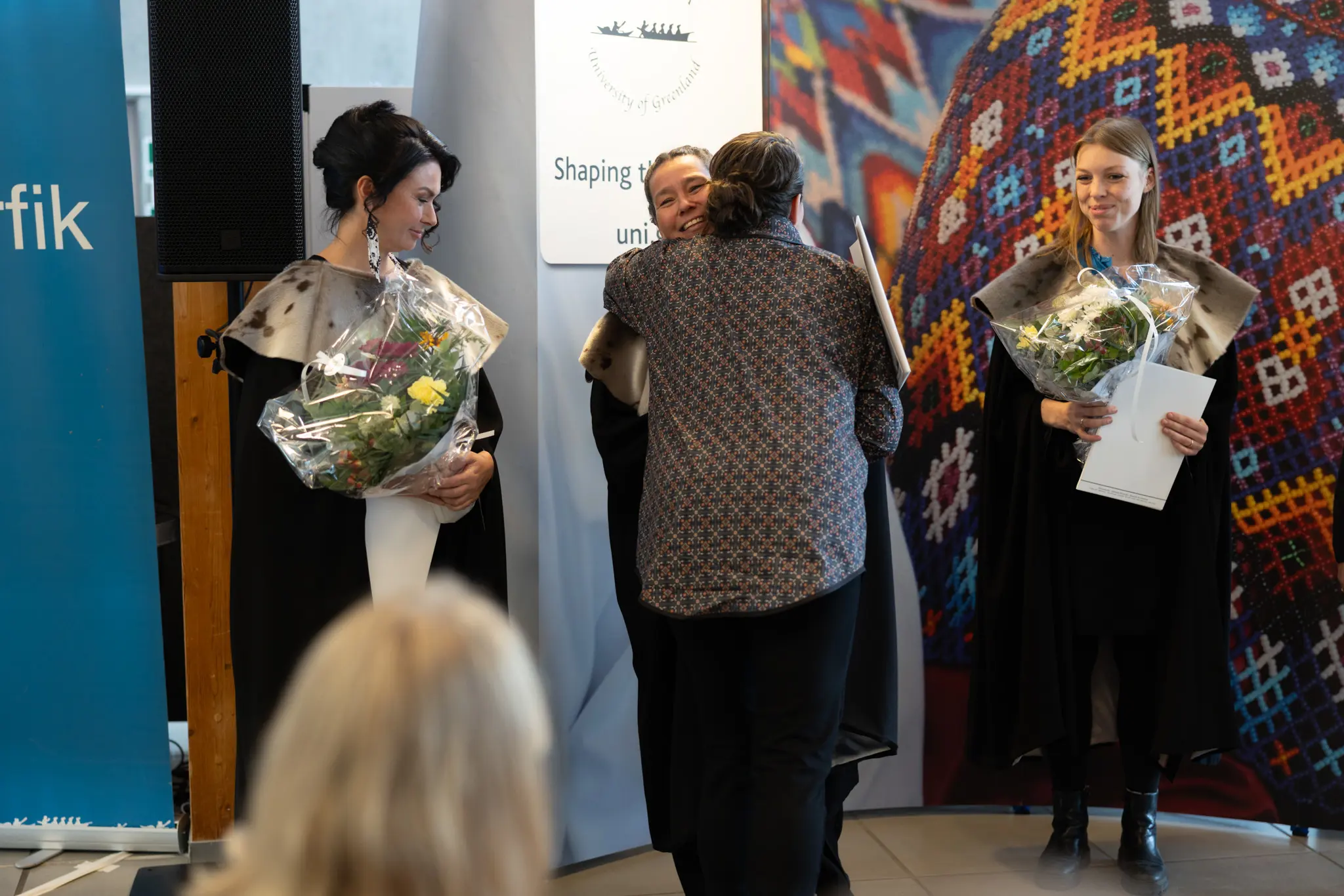
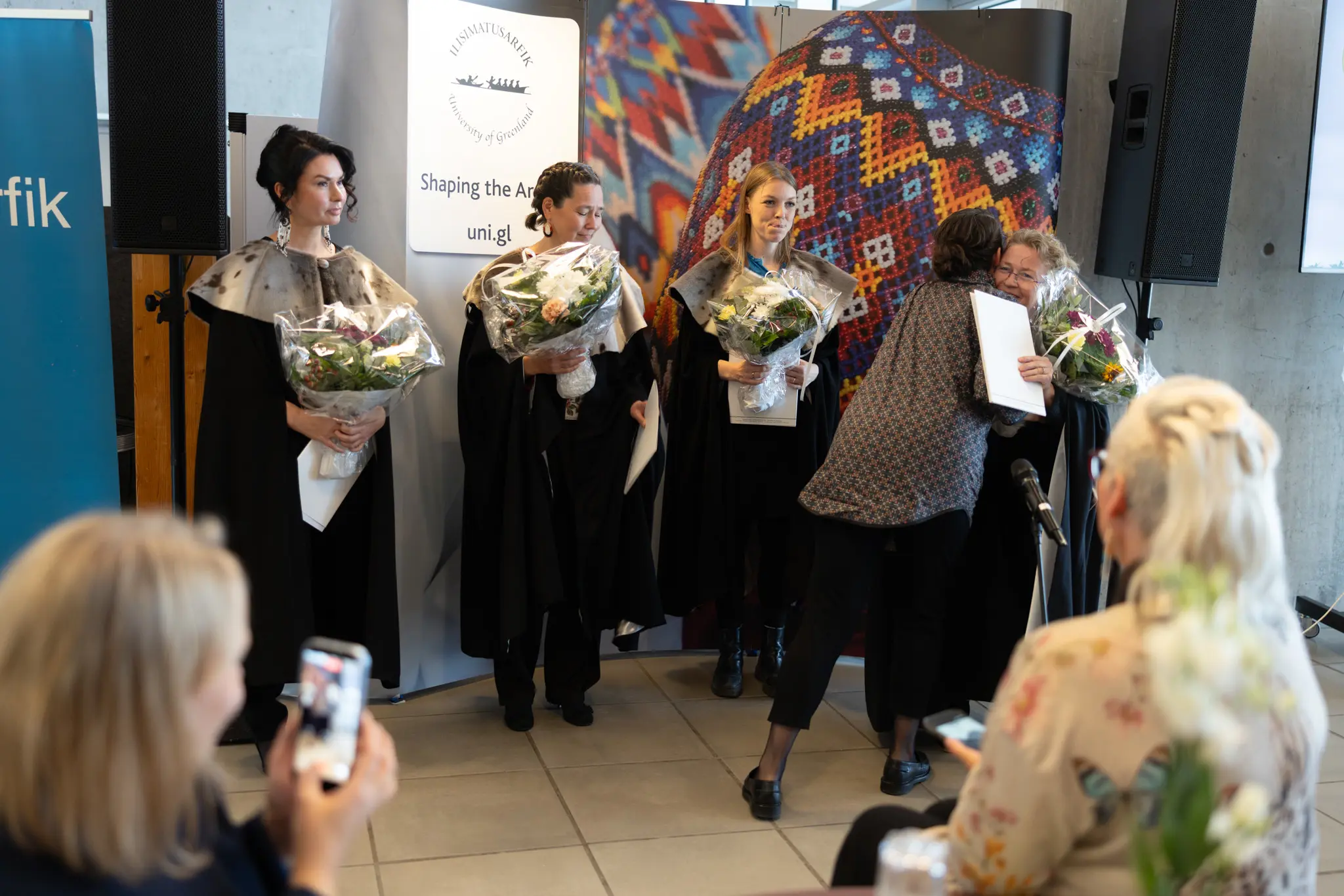
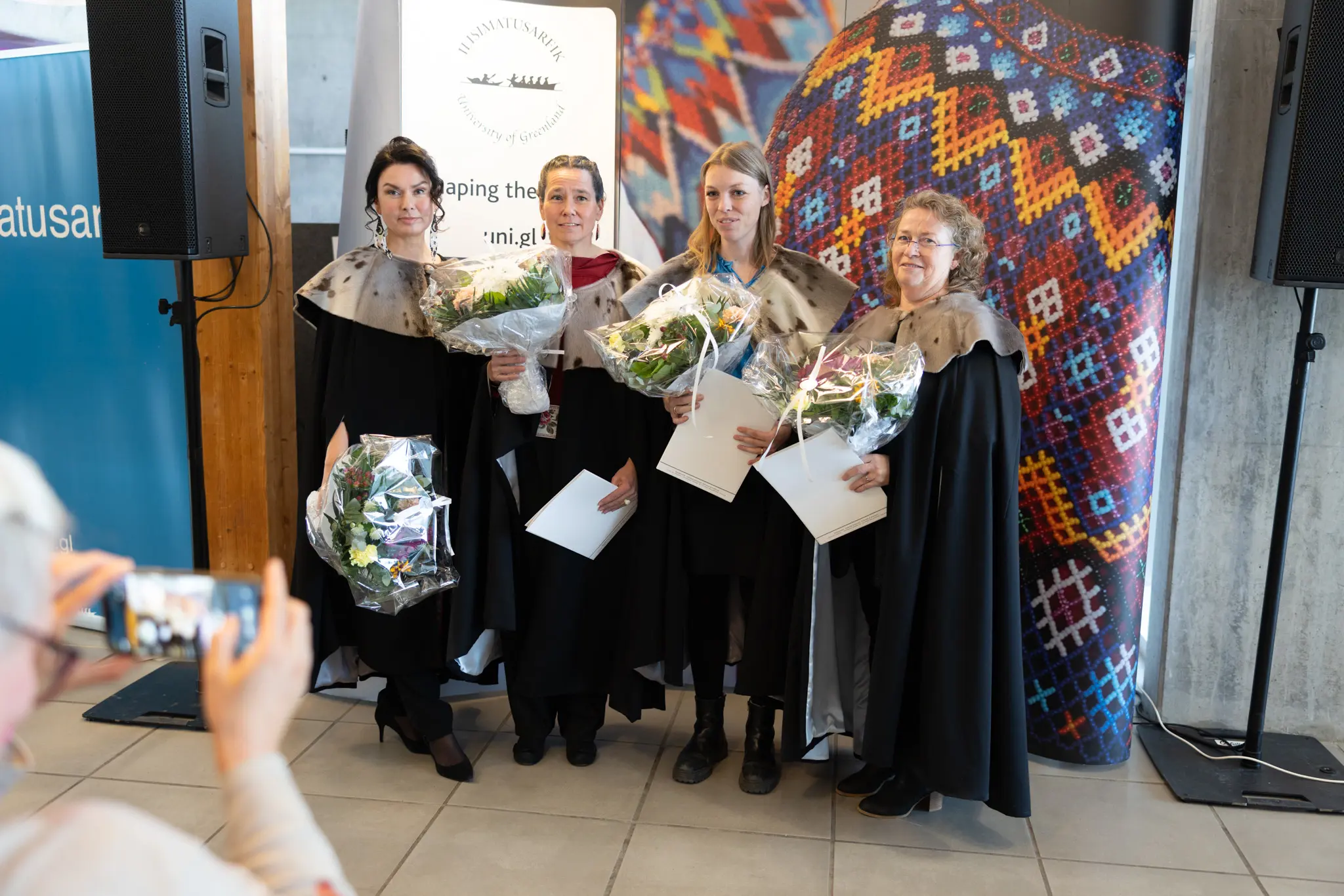
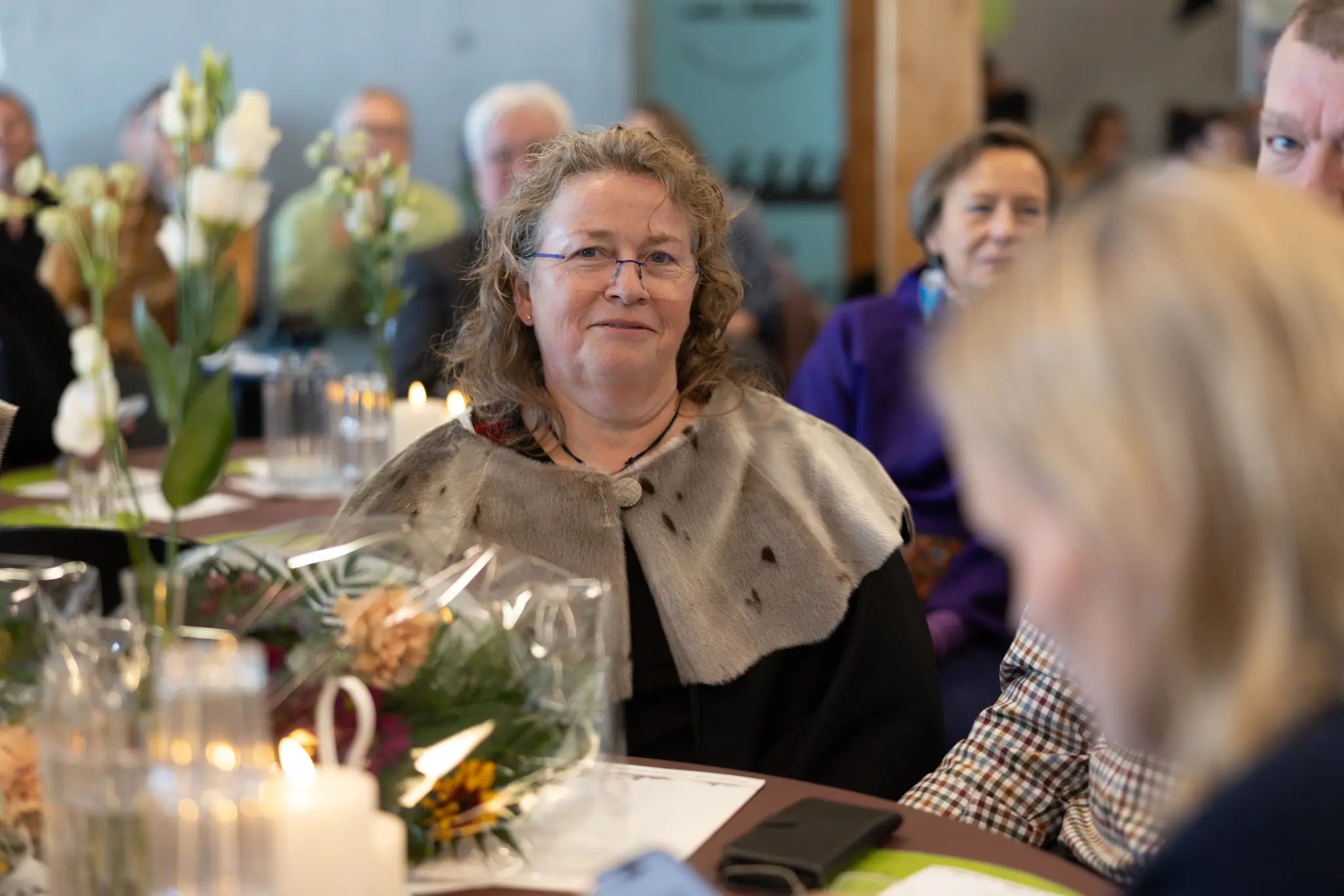
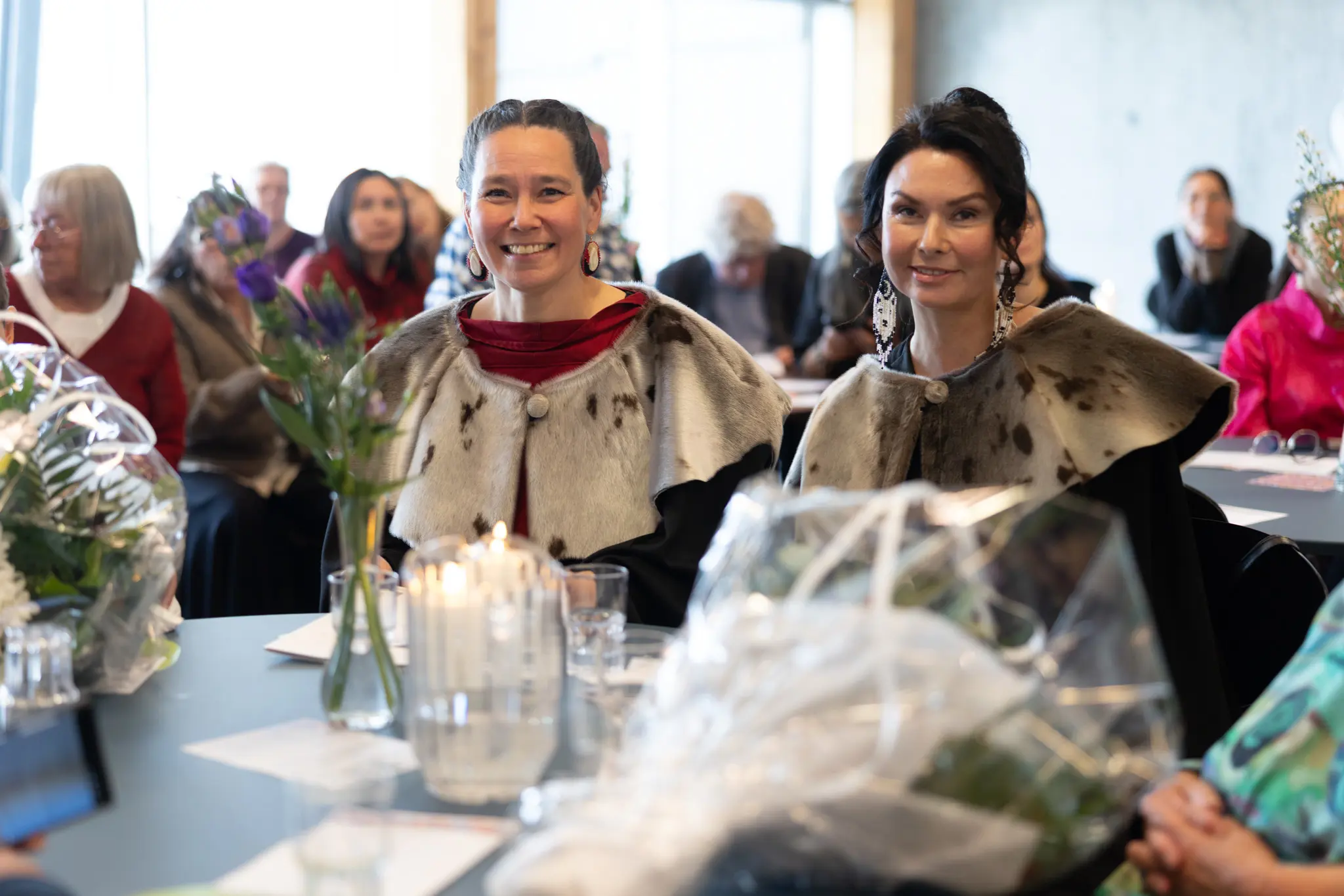
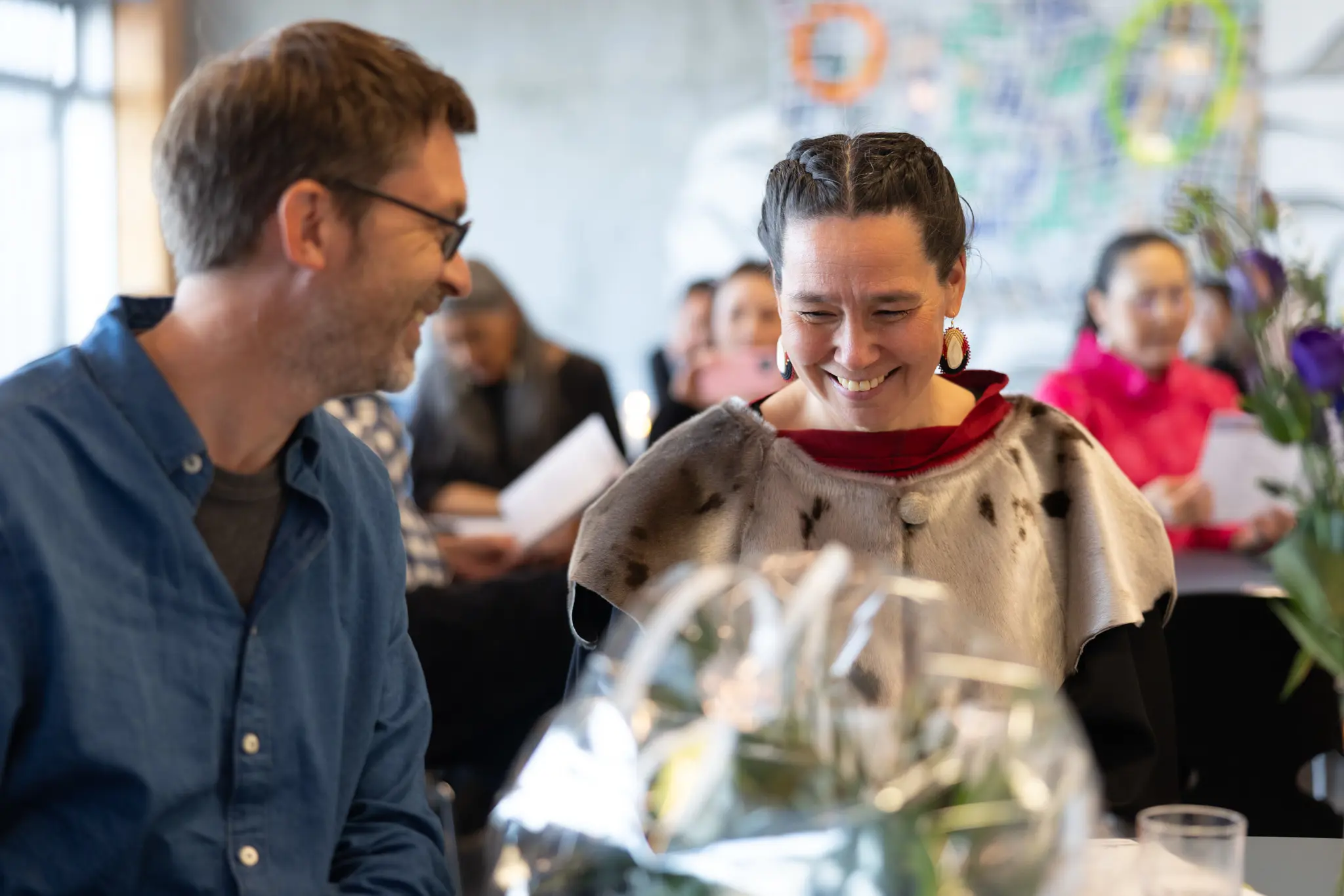
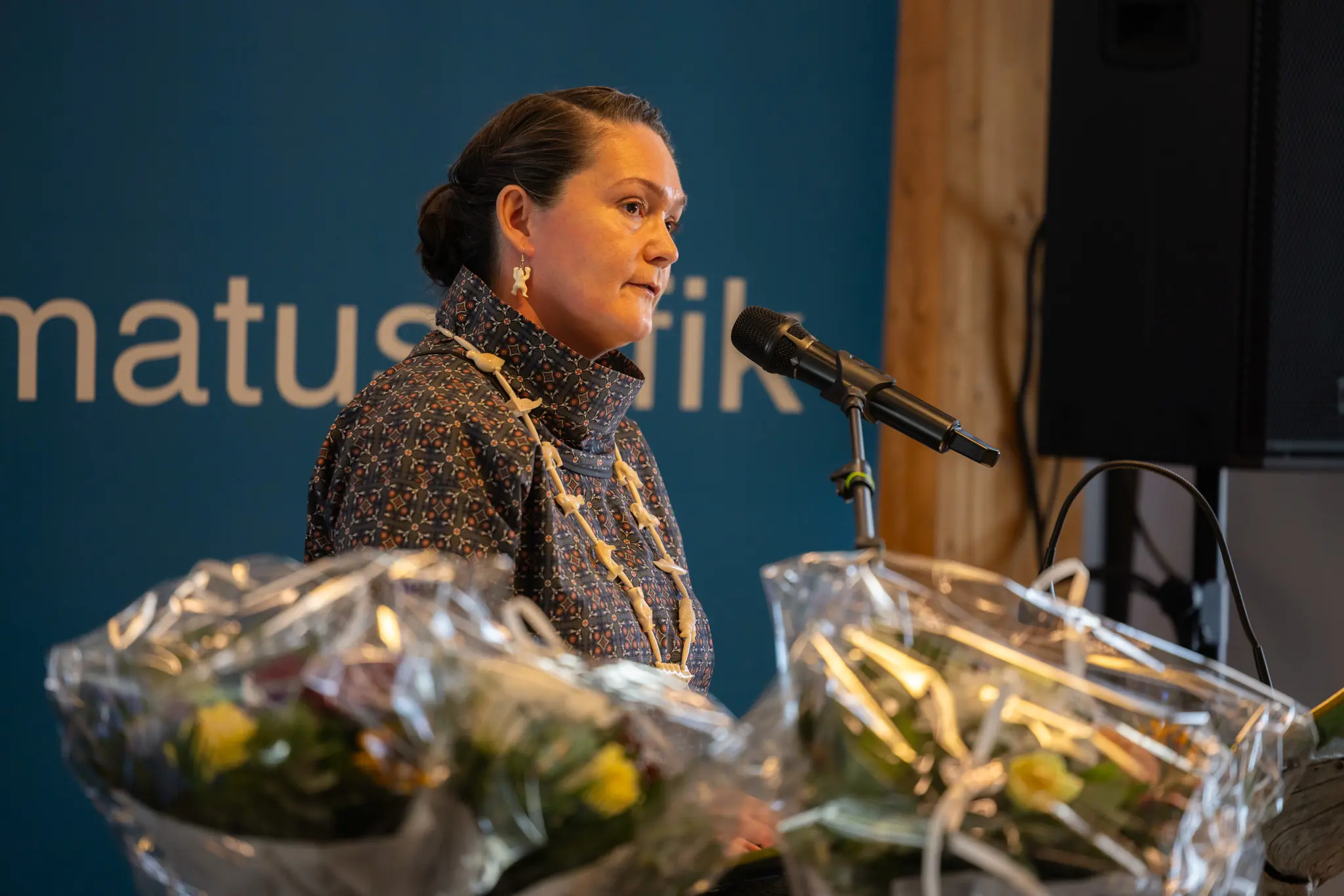
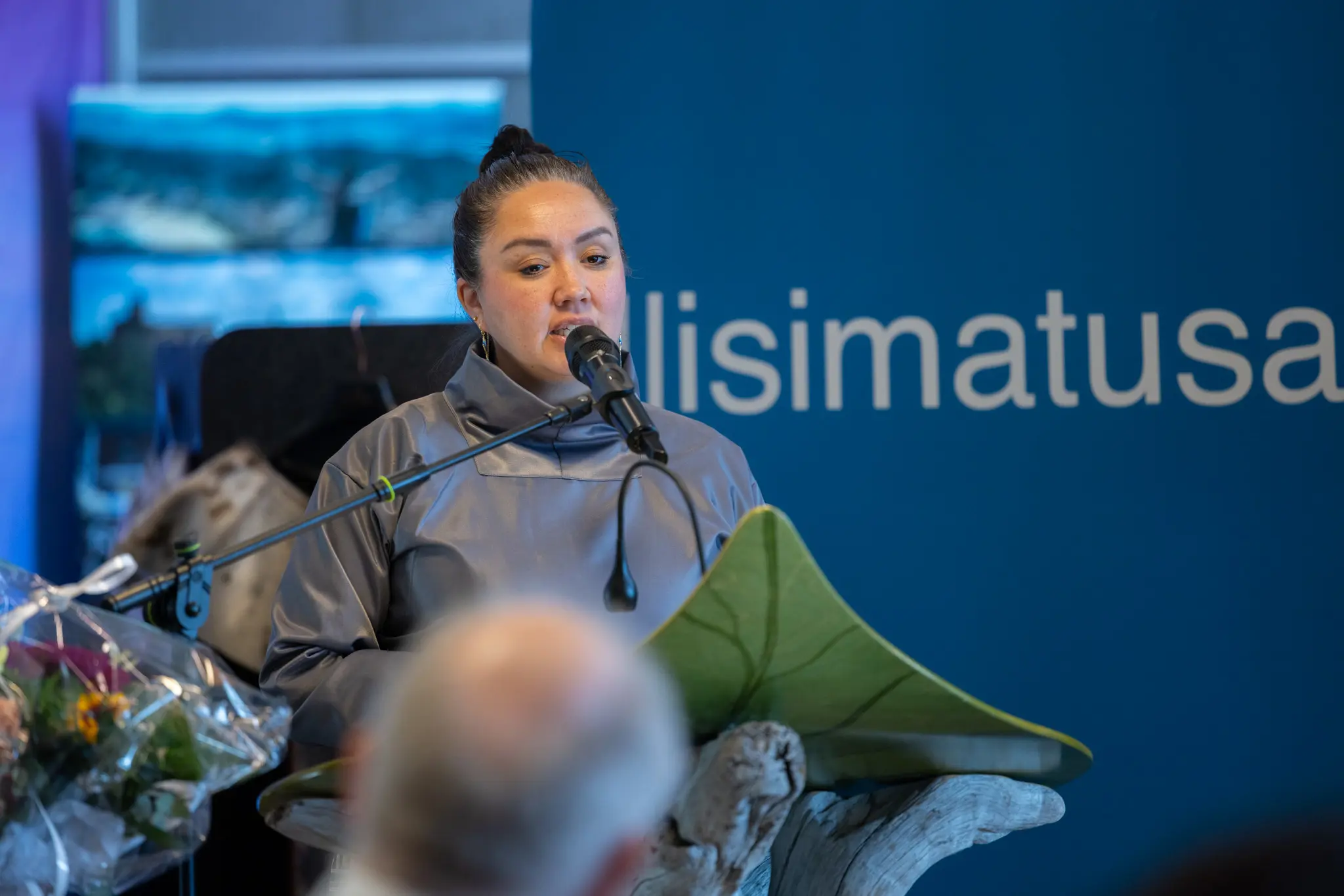
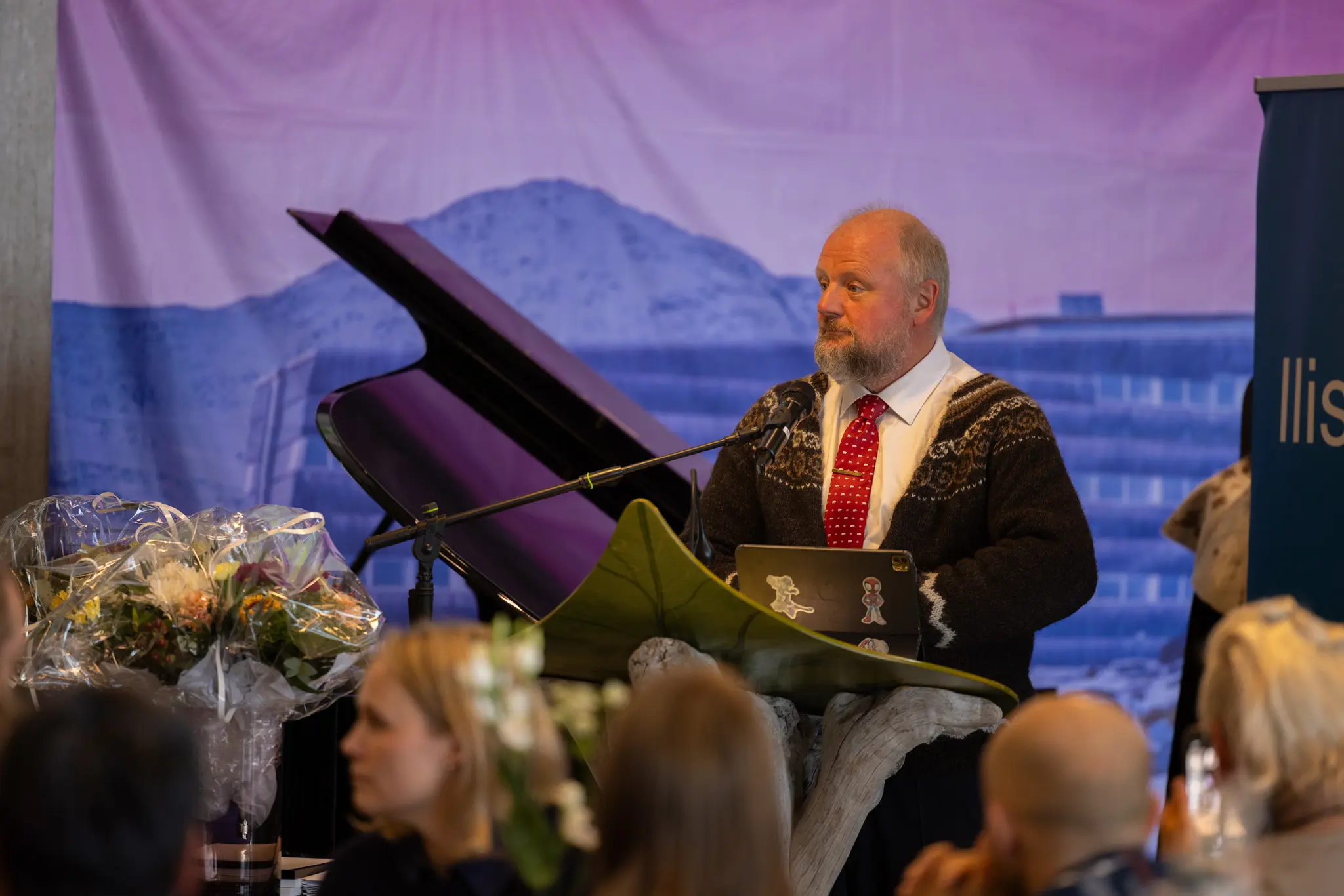
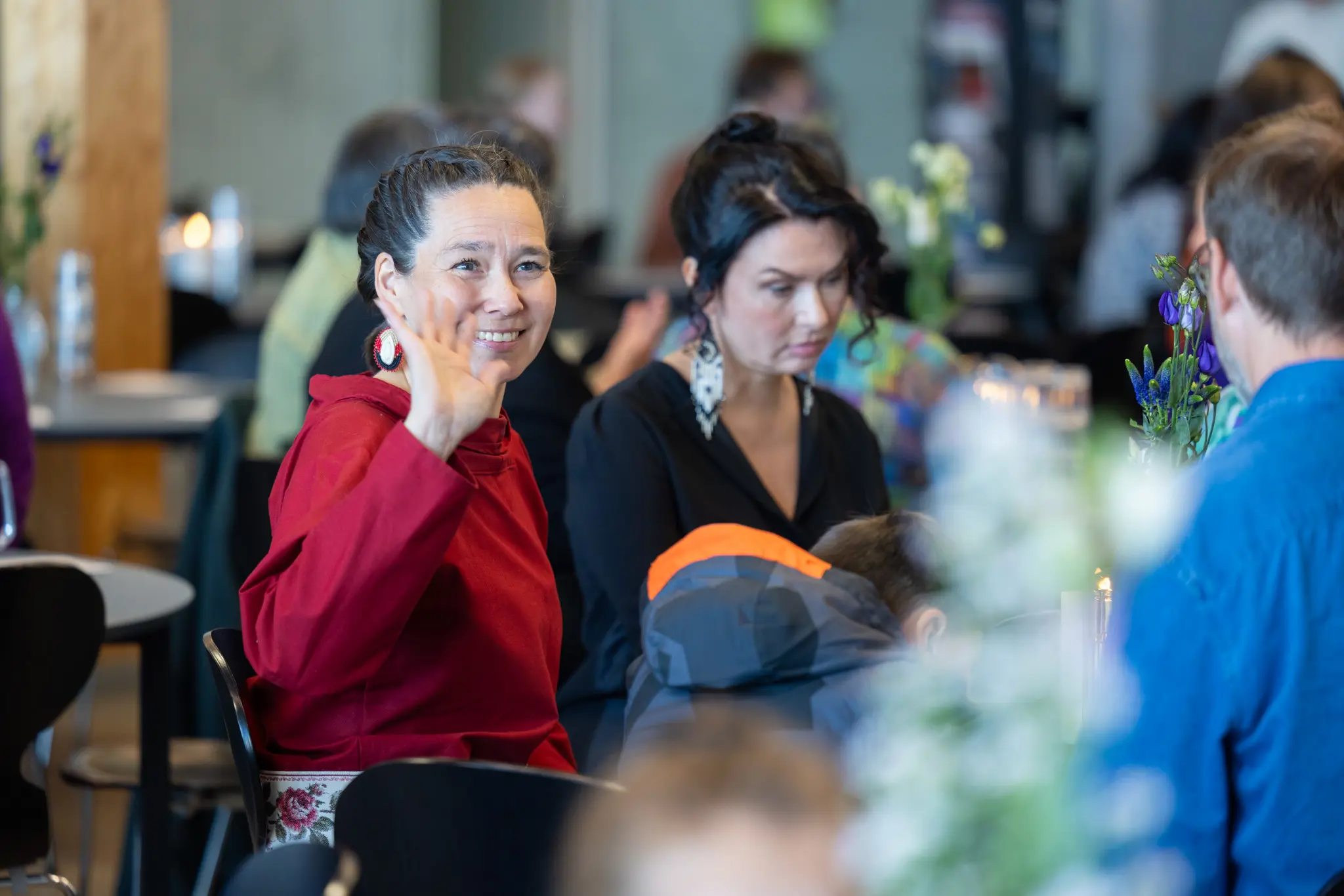
On Friday 25 September 2026, Ilisimatusarfik held its traditional Annual Celebration, featuring speeches, songs, the presentation of PhD degrees and this year's employee award.
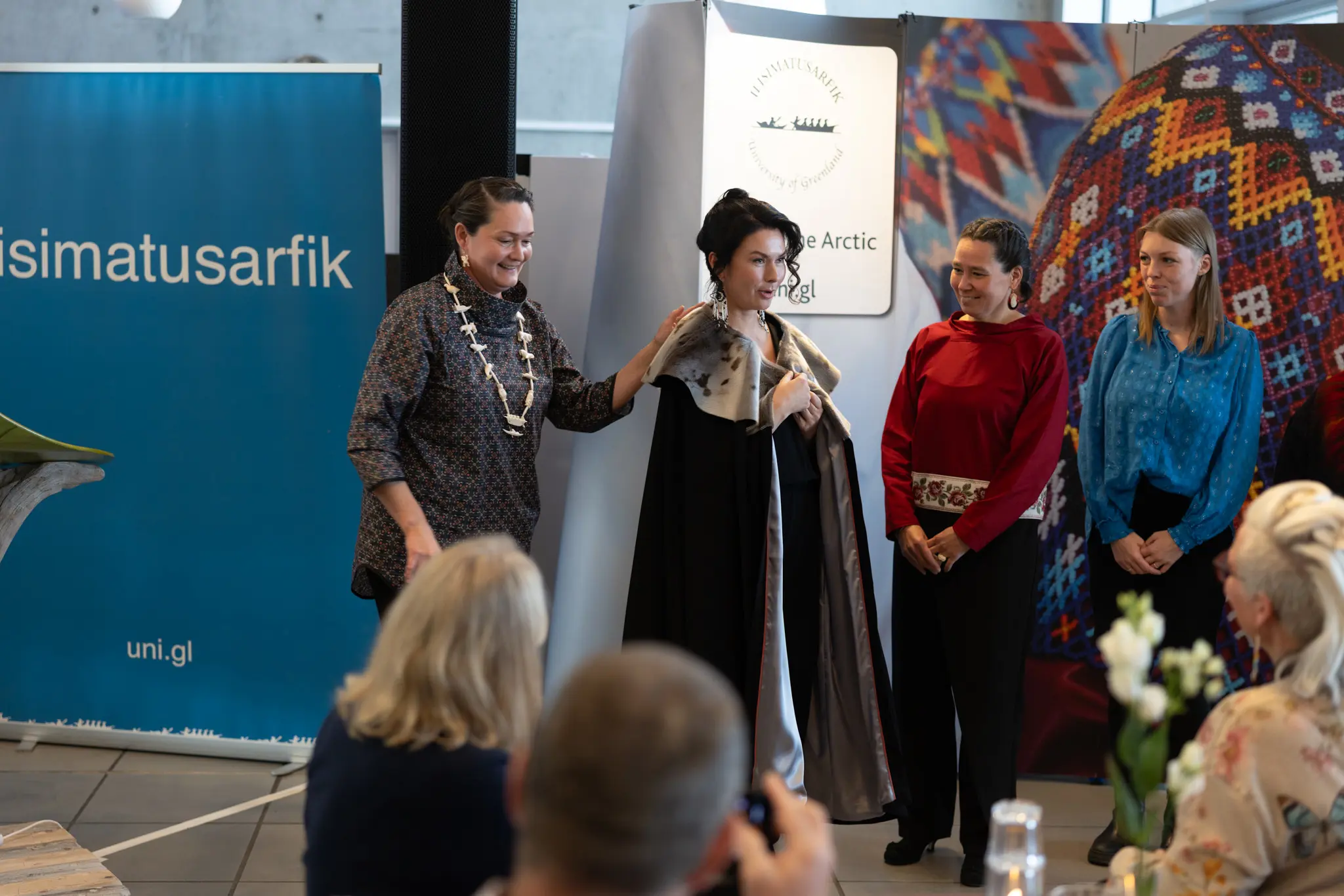
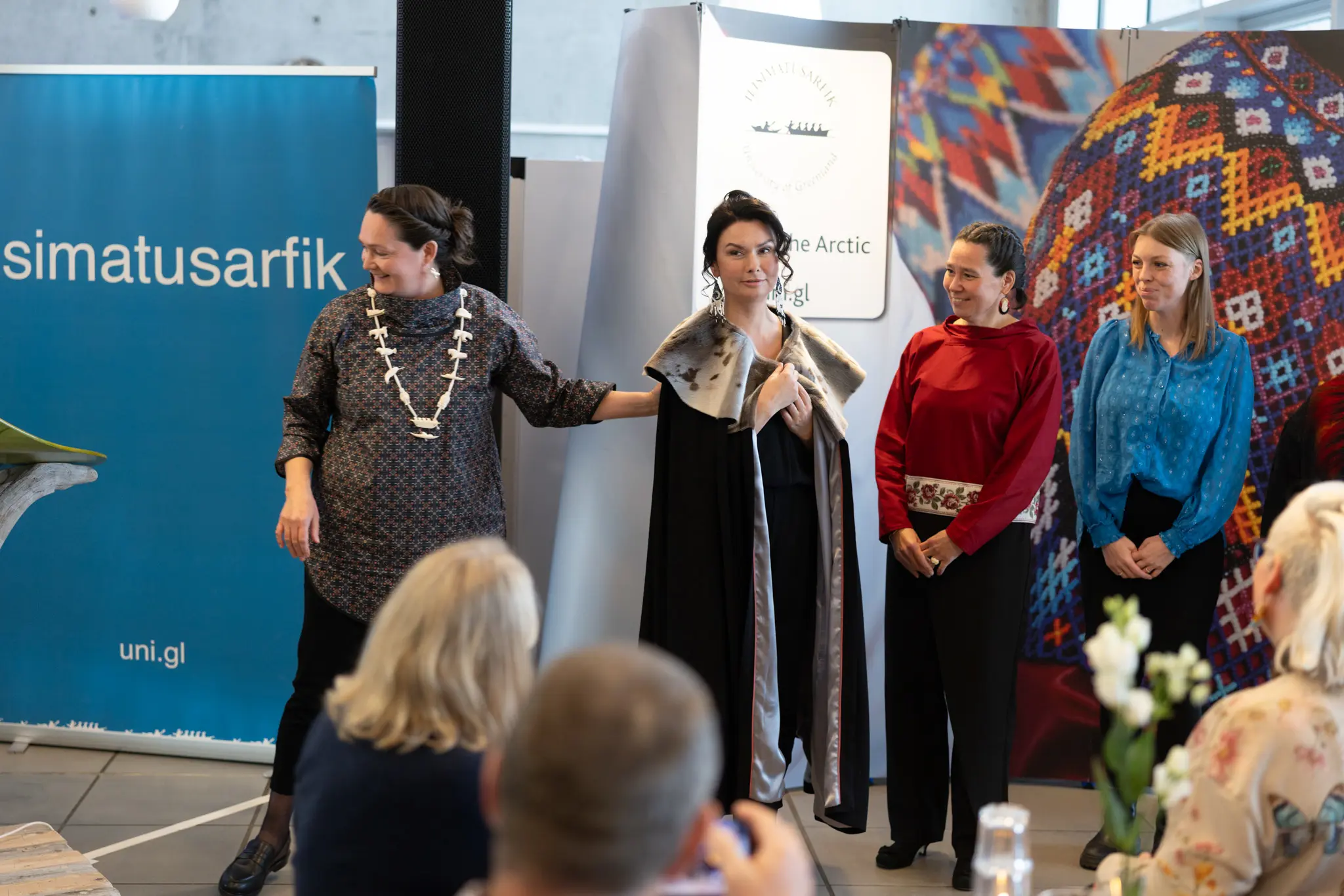
One of the highlights of the day was the presentation of PhD degrees to seven graduates whose research contributes new insights into key social, cultural, health and educational issues:
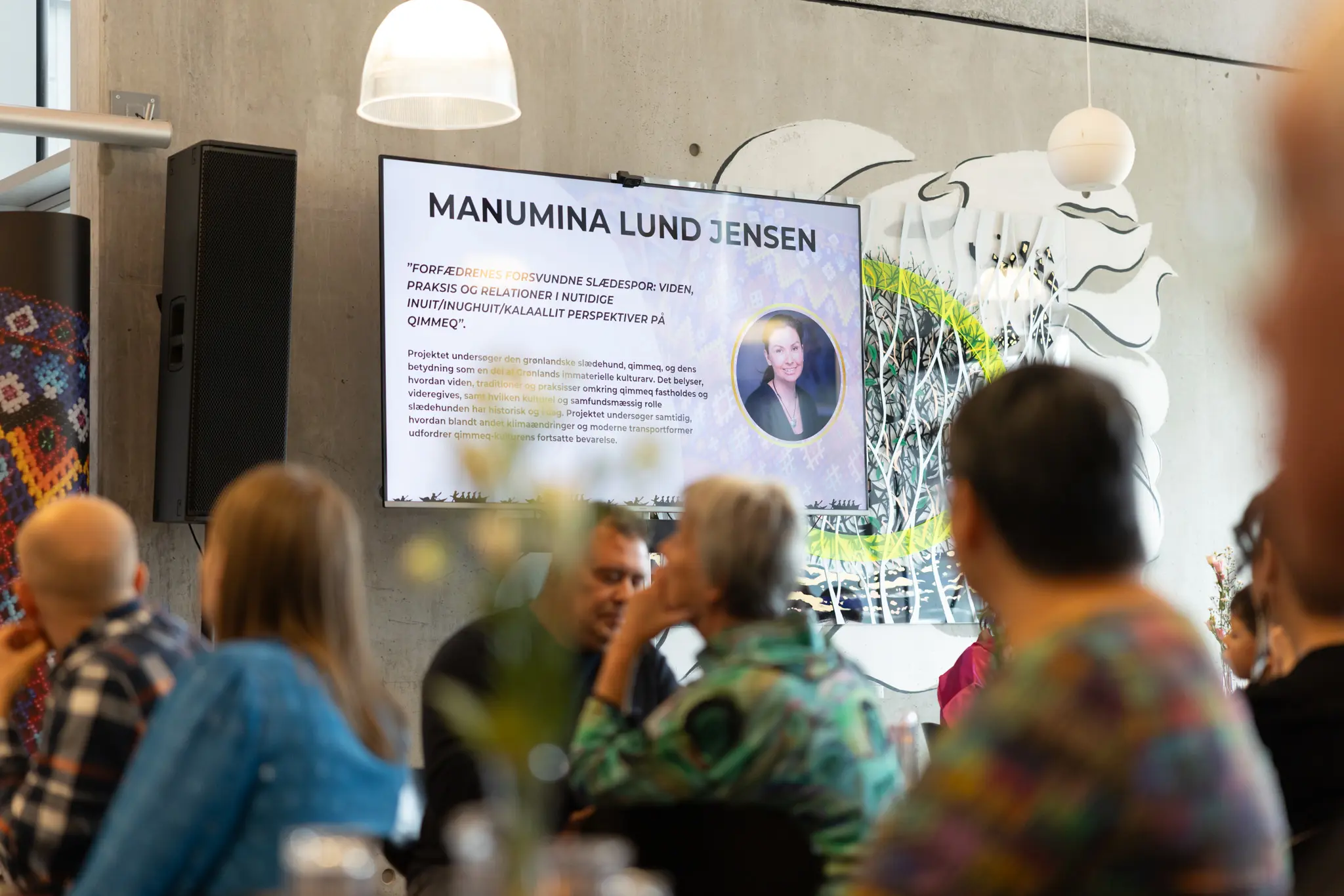
The project examines the Greenlandic sled dog, qimmeq, and its significance as part of Greenland’s intangible cultural heritage. It explores how knowledge, traditions and practices relating to qimmeq are maintained and passed on, as well as the cultural and social role the sled dog has played historically and continues to play today. At the same time, the project examines how factors such as climate change and modern modes of transport are challenging the continued preservation of the qimmeq culture.
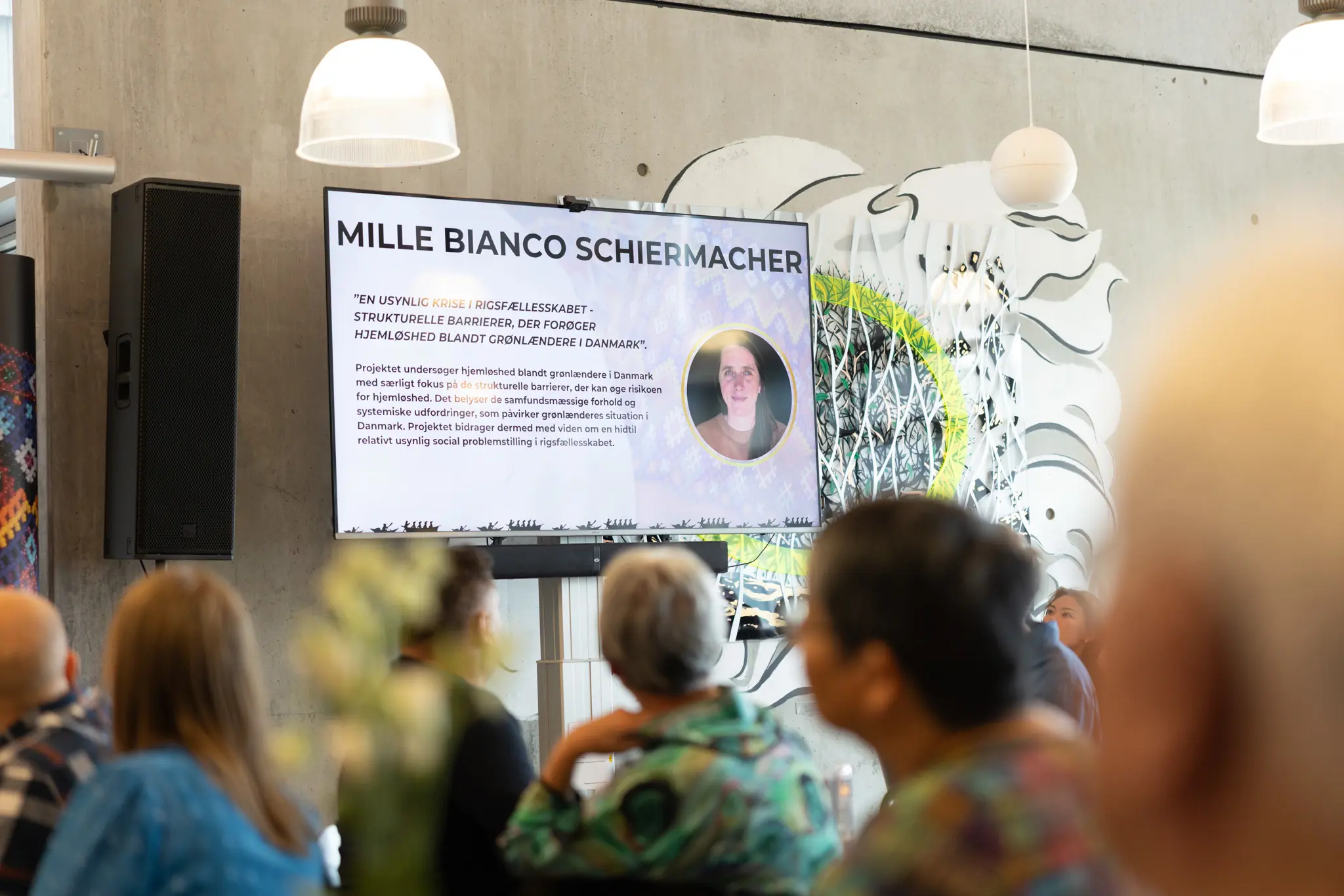
The project investigates homelessness amongst Greenlanders in Denmark, with a particular focus on the structural barriers that may increase the risk of homelessness. It highlights the societal conditions and systemic challenges that affect the situation of Greenlanders in Denmark. The project thus contributes knowledge about a social issue that has hitherto been relatively overlooked within the Danish Realm.
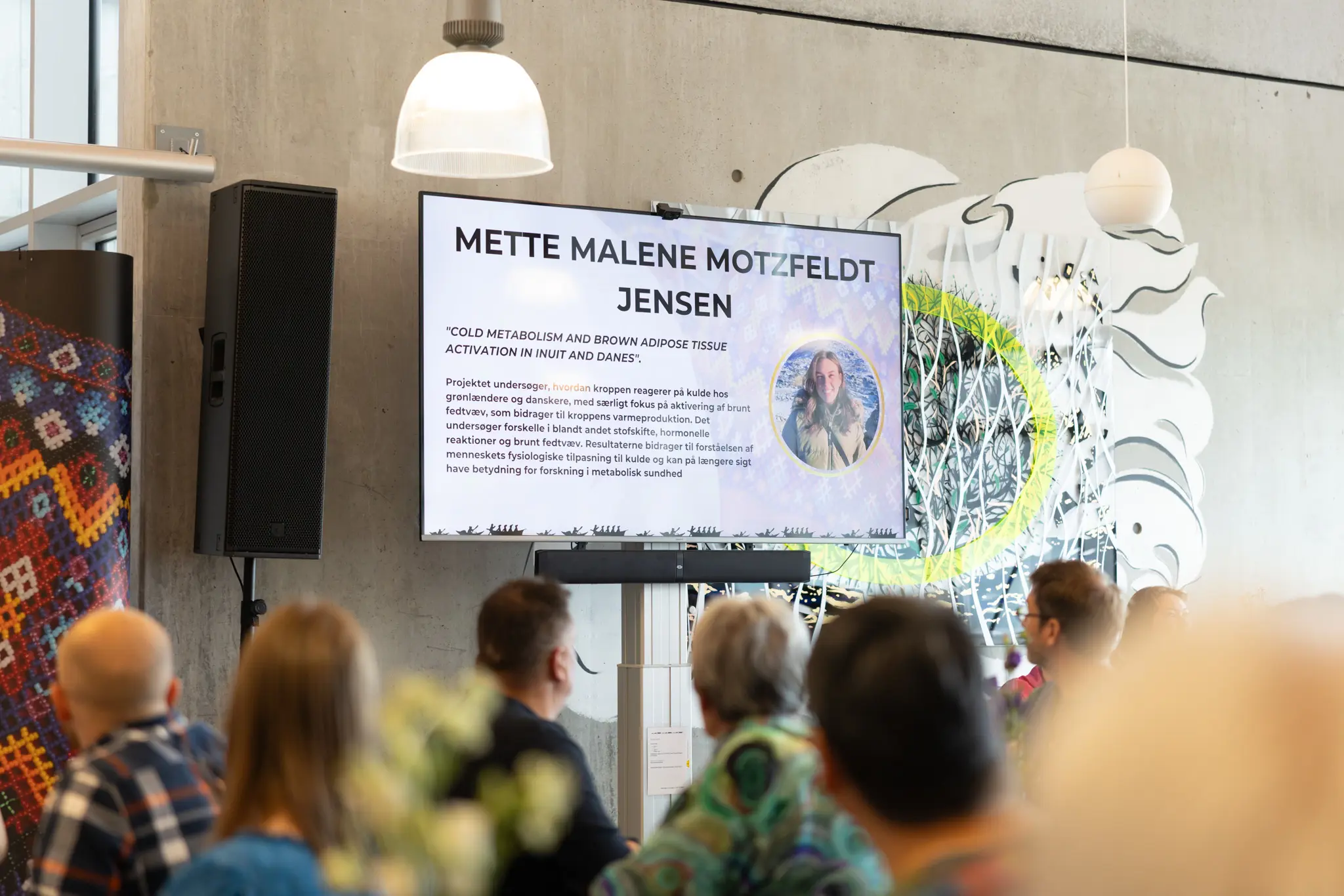
The project investigates how the bodies of Greenlanders and Danes react to the cold, with a particular focus on the activation of brown adipose tissue, which contributes to the body’s heat production. It examines differences in, amongst other things, metabolism, hormonal responses and brown adipose tissue. The results contribute to our understanding of the human body’s physiological adaptation to cold and may, in the longer term, be significant for research into metabolic health.
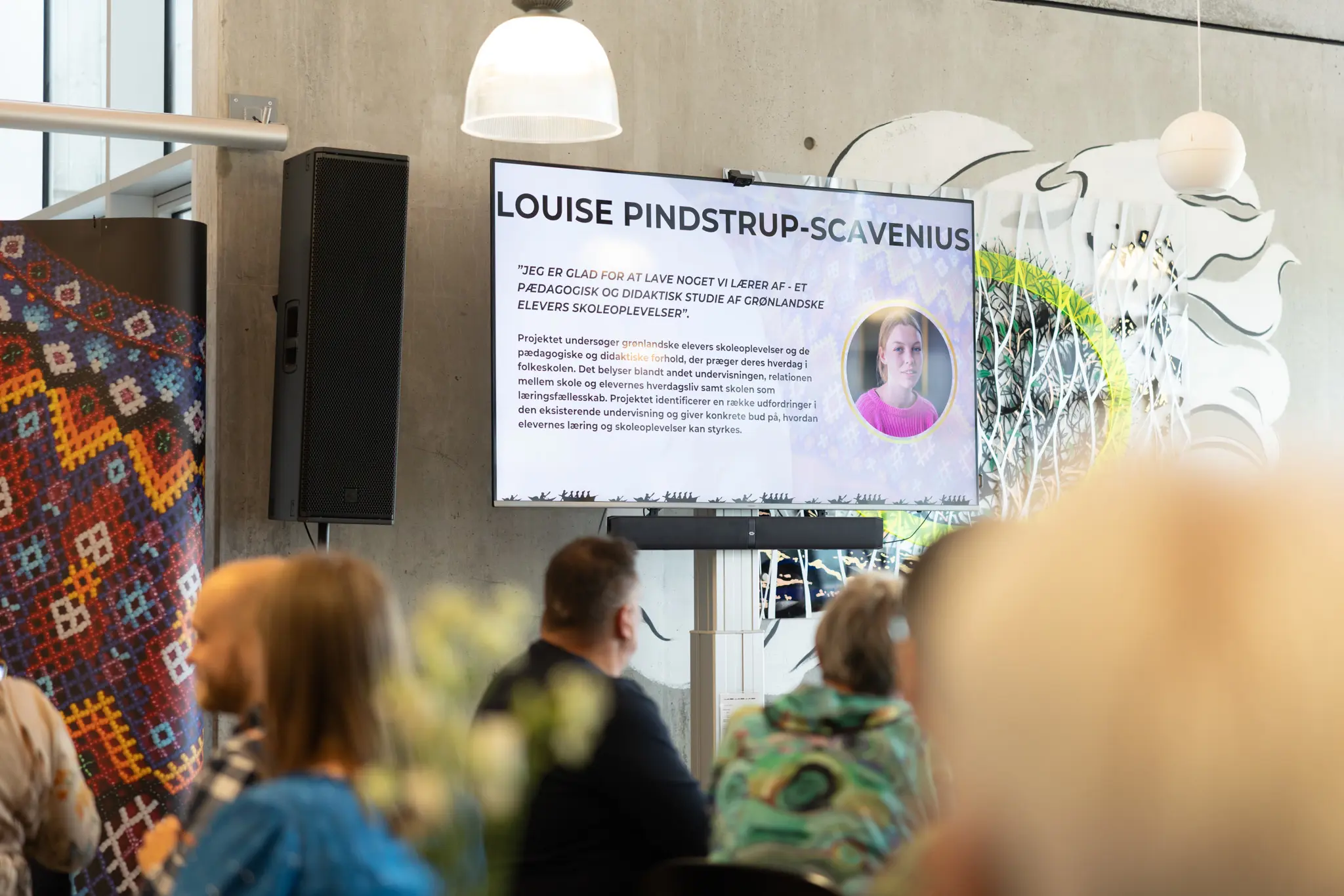
The project examines Greenlandic pupils’ experiences of school and the pedagogical and didactic factors that shape their everyday lives in primary and lower secondary school. Among other things, it explores teaching practices, the relationship between school and pupils’ everyday lives, and the school as a learning community. The project identifies a number of challenges in current teaching practices and offers concrete suggestions on how pupils’ learning and school experiences can be enhanced.
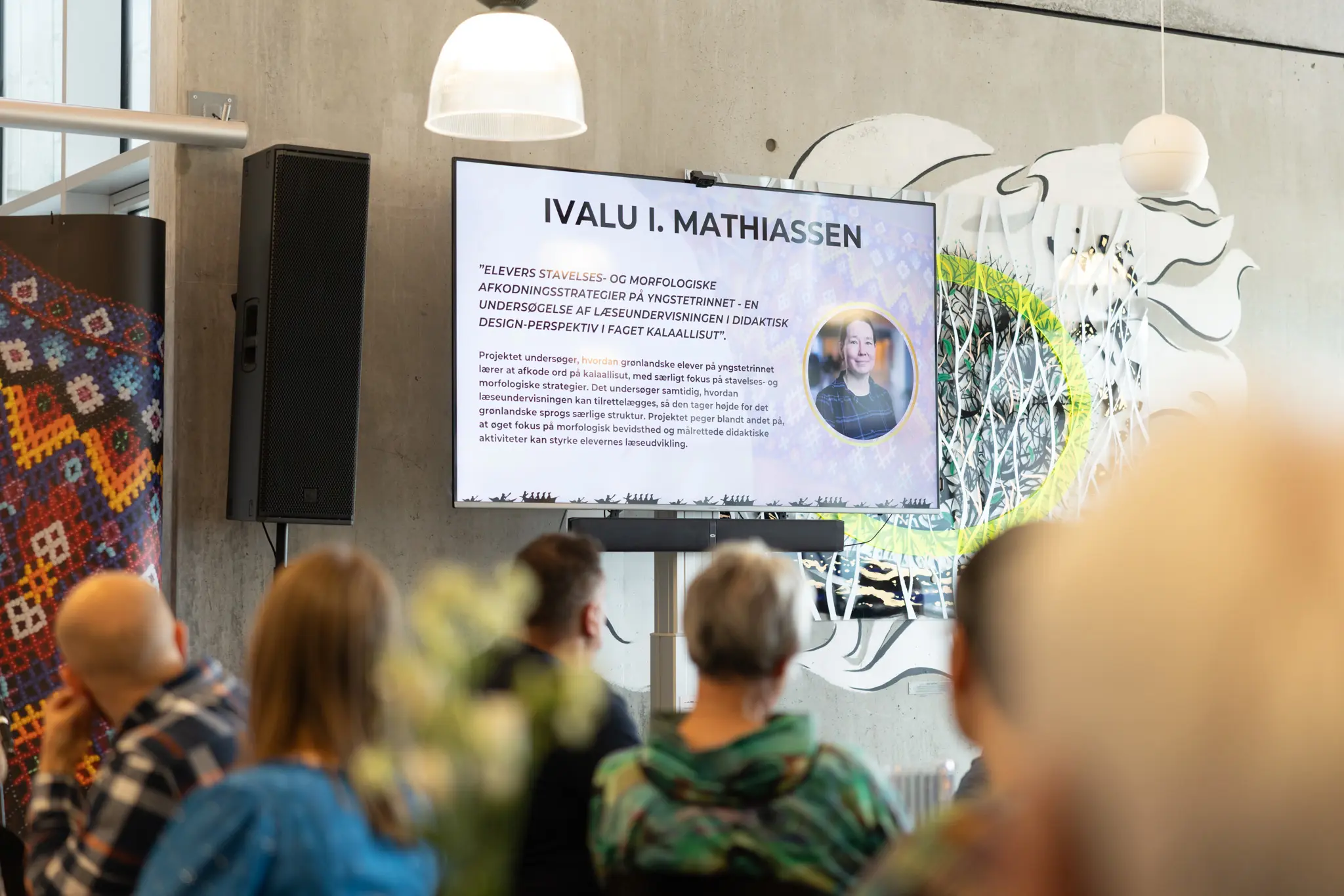
The project investigates how Greenlandic pupils in the early years of primary school learn to decode words in Kalaallisut, with a particular focus on syllabic and morphological strategies. It also examines how reading instruction can be organised to take account of the specific structure of the Greenlandic language. Among other things, the project suggests that an increased focus on morphological awareness and targeted teaching activities can enhance pupils’ reading development.
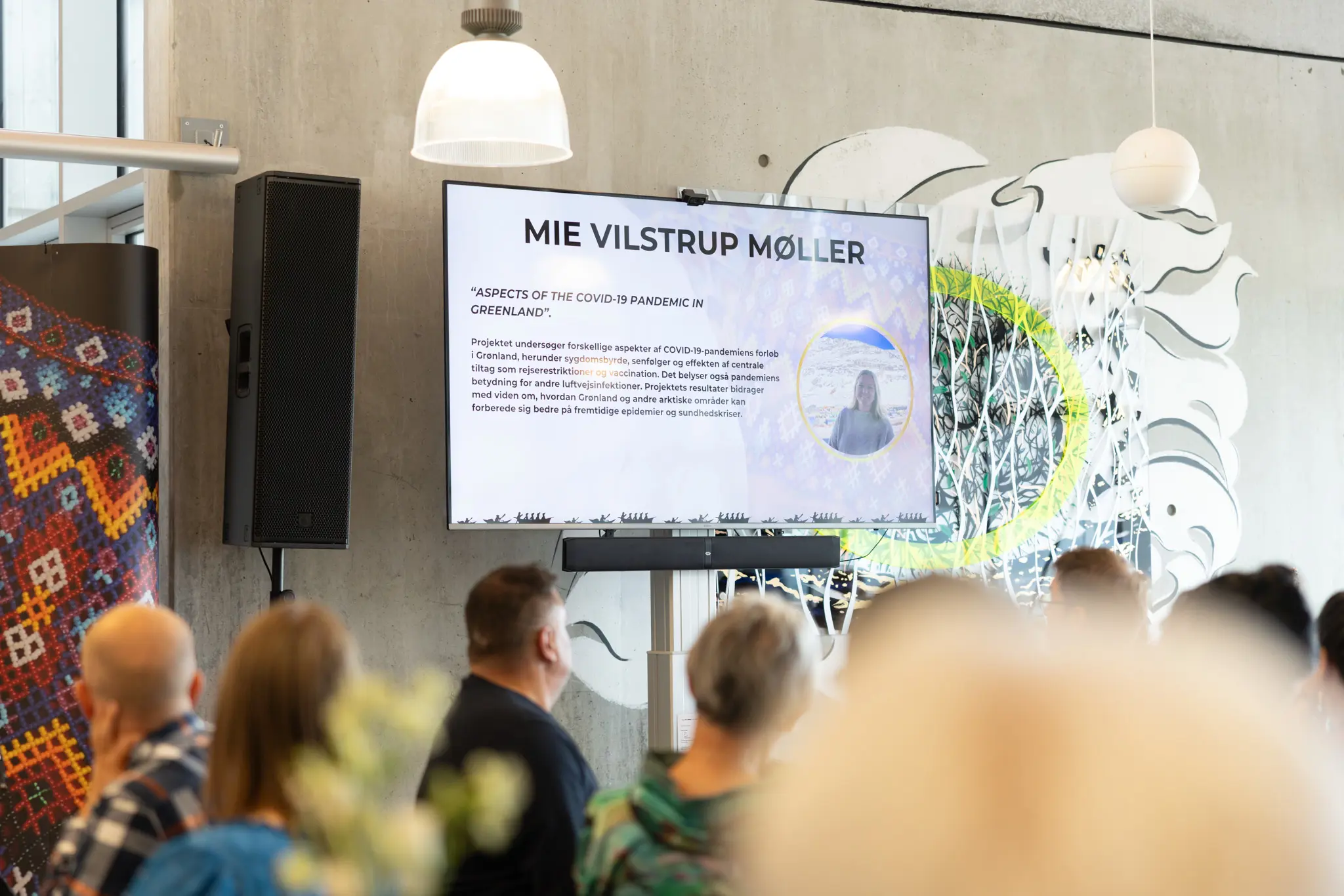
The project investigates various aspects of the course of the COVID-19 pandemic in Greenland, including the burden of disease, long-term effects and the impact of key measures such as travel restrictions and vaccination. It also examines the pandemic’s impact on other respiratory infections. The project’s findings provide insights into how Greenland and other Arctic regions can better prepare for future epidemics and health crises.
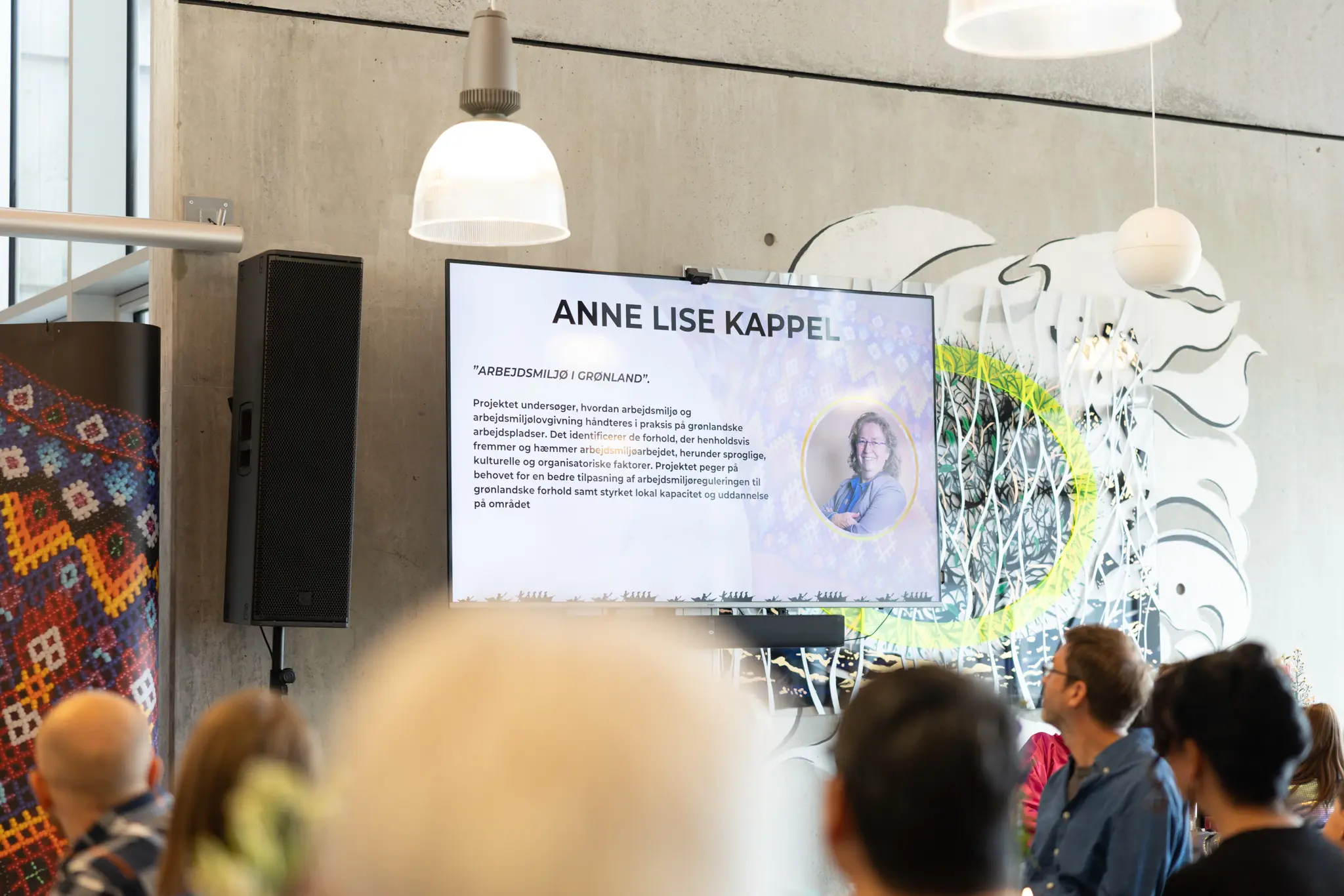
The project examines how health and safety at work and health and safety legislation are managed in practice in Greenlandic workplaces. It identifies the factors that promote and hinder health and safety work, respectively, including linguistic, cultural and organisational factors. The project highlights the need for better adaptation of health and safety regulations to Greenlandic conditions, as well as strengthened local capacity and training in this area.
"The seven PhD projects demonstrate the breadth and relevance of the research carried out at Ilisimatusarfik and in Greenland - and this research contributes new knowledge on topics of great importance to society", rector Mari Kleist says.
This year's employee award
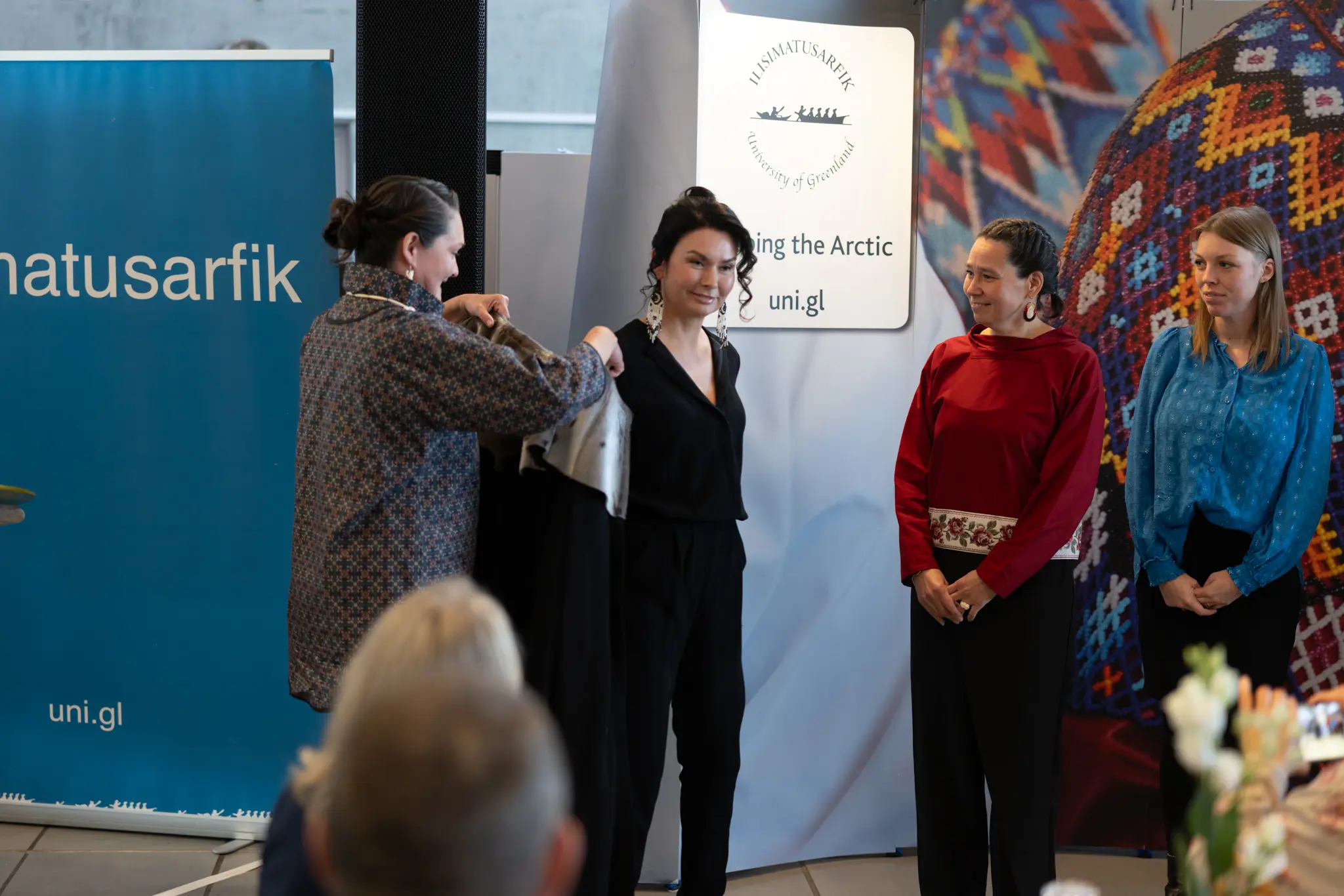
At the Annual Celebration, Sofie Abelsen and Aviâja Lyberth Hauptmann from the SILA Department and Gerth Lynge from Student Services were also honoured with this year's employee award.
The award recognises Sofie, Aviâja and Gerth’s outstanding contributions to Ilisimatusarfik and to the academic and collegial community, which contributes to the university’s development on a daily basis.
"The employee award provides us with an important opportunity to recognise efforts that have made a tangible difference. With great dedication, Sofie, Aviâja and Gerth have made a valuable contribution to Ilisimatusarfik and to our joint endeavours", rector Mari Kleist says.
The Annual Celebration concluded with a reception, where the day’s academic achievements and special contributions were celebrated together.









 FACEBOOK
 LINKEDIN
 Copy link